


PPWR
A practical guide for procurement, supply chain and sustainability teams moving bulk liquids — how the new Packaging & Packaging Waste Regulation changes the case for reusable IBC systems, and where to start ahead of the 2030 obligations. PPWR replaces the 1994 Packaging Directive with binding, EU-wide rules on packaging design, reuse, recycled content and reporting. The Regulation applies from 12 August 2026, with reuse and design-for-recycling obligations applying from 2030. For anyone moving bulk liquids, that turns packaging from a procurement line item into a compliance question and reusable systems into a serious option.

Safer

Reusable

Sustainable
Why PPWR is changing packaging decisions
For three decades, packaging choices in B2B logistics were driven by unit cost, availability and handling. PPWR Regulation (EU) 2025/40 changes that calculus. It replaces the 1994 Directive with a single binding regulation across every member state, removing the patchwork of national interpretations. The substance is broad: design rules, reuse and refill targets, minimum recycled content, food-contact PFAS limits, minimisation and heavier reporting. The Regulation applies from 12 August 2026 — the first duties cover substances of concern, heavy metals, food-contact PFAS and manufacturer/importer roles. Reuse, design-for-recycling and recycled-content obligations apply from 2030; labelling rules follow in 2028. Crucially for bulk liquids, B2B transport packaging is explicitly in scope bringing IBCs into the conversation. At the same time, EPR fees on single-use streams are rising. The question has moved from “will this affect our packaging” to “what do we change first, and how long will it take.”
Where reusable systems fit
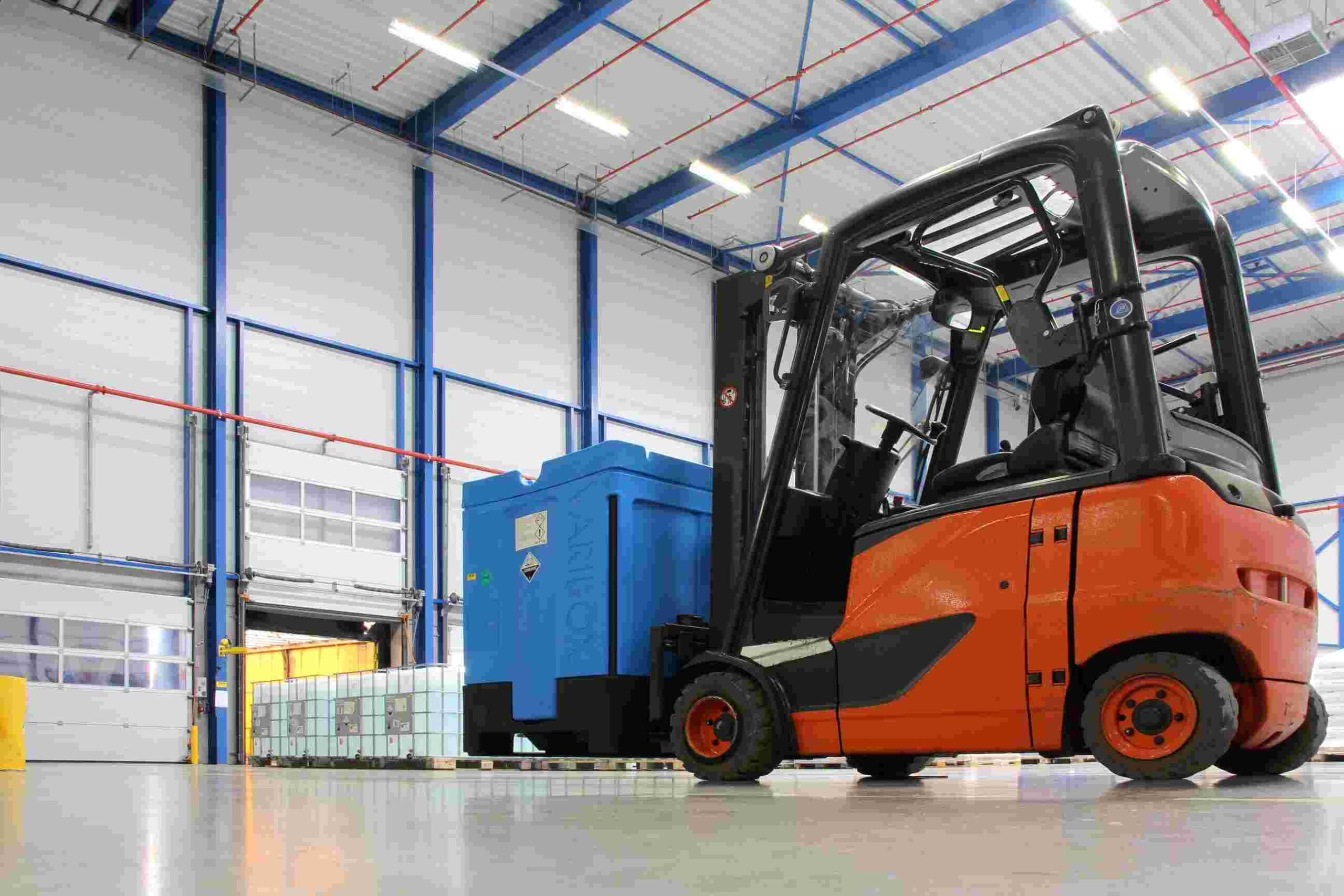
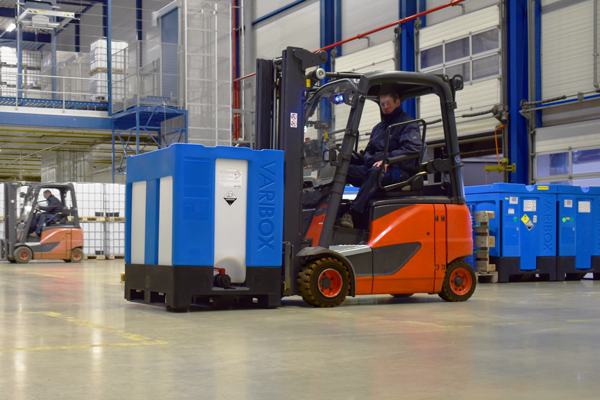
Of all the levers PPWR creates, reuse is often the most direct for bulk liquids but note that dangerous-goods (ADR) lanes are derogated from the reuse and recyclability obligations, so the value is operational and cost-based. And for IBCs used for non-ADR goods, the reuse and recyclability obligations fully apply. The reuse duty itself sits with the economic operator that uses the transport packaging the customer, not the packaging maker. A reusable system reduces the volume of new packaging entering the supply chain — one IBC replacing a stream of single-use units cutting waste per shipment while reducing single-use EPR exposure. But “reusable” has to be earned: durability evidence (drop tests, wash-cycle data, field performance) and a documentation layer covering reuse cycles, cleaning logs, supplier declarations and CoCs. This is where VARIBOX fits a reusable IBC system designed for repeated use in closed-loop logistics, built from widely recyclable, separable materials (recyclability assessed at whole-unit level), with food-contact PFAS documentation on request. It is honest to say VARIBOX supports PPWR readiness one part of a programme, not a guarantee of compliance.
A practical path to readiness
Readiness rarely fails on intent it fails on lead time. The packaging changes needed to meet the 2030 obligations take months to specify, qualify and roll out, which is why teams ahead of this are already mapping transitions now. A practical path has four steps. First, review the fleet what bulk packaging you use, in what volumes, which lanes could move to reusable. Second, map single-use exposure beyond unit cost to the full stack (EPR fees, disposal, reporting, fines risk). Third, model the transition a TCO comparison on your own shipment profile and return-logistics density. Fourth, build the documentation flow so reuse cycles, cleaning records and declarations survive an audit from day one. None of this requires re-engineering the product inside the container. Working through it ahead of the 12 August 2026 obligations and the 2030 targets turns PPWR from a looming deadline into a manageable transition.
Review your packaging fleet ahead of 2030
A 30-minute scoping session covers shipment profile, single-use exposure, and a draft transition path. Your numbers stay yours.
PPWR topics explained
PPWR touches many parts of a packaging programme at once. Each topic below covers the question we hear most often, and where VARIBOX fits expand any topic for more detail.
Reuse & refill targets for transport packaging
A reusable IBC system built for circular logistics helping customers who use transport packaging prepare for the reuse targets that apply from 2030. Dangerous-goods (ADR) lanes are derogated from the reuse target. And for IBCs used for non-ADR goods, the reuse target fully applies. The reuse duty itself sits with the operator that uses the packaging your organisation, not the packaging manufacturer.
Obligations phase-in — 12 Aug 2026 · 2028 · 2030
PPWR doesn’t land in one moment it phases in. From 12 August 2026, the Regulation applies to substances of concern, heavy metals, food-contact PFAS and manufacturer/importer duties. From 2028, labelling rules follow. From 2030, reuse, design-for-recycling and recycled-content obligations apply. Reviewing your packaging fleet now is the practical starting point.
PFAS concentration limit on food-contact packaging
For food-contact uses, PPWR sets a strict PFAS concentration limit from 12 August 2026. VARIBOX supplies IBCs for food applications, and those IBCs meet the requirements set by PPWR declarations confirming compliance are available on request.
Durability & service life
VARIBOX IBCs are engineered for repeated use across multiple years of closed-loop service, backed by drop-test, wash-cycle and field-performance evidence. This matters under PPWR because reuse only counts if a container can genuinely survive the cycle count it’s put through — a system that fails early undermines the very waste reduction the Regulation is designed to achieve. That’s why durability isn’t treated as a marketing claim but as something to substantiate: the underlying test data covers impact resistance, repeated cleaning cycles and real-world handling conditions, not just laboratory conditions.
Packaging minimisation
One reusable VARIBOX IBC replaces a stream of single-use units across its service life supporting the packaging-minimisation direction PPWR sets out for design from 2030. Minimisation under PPWR isn’t a numeric target, it’s a design requirement: packaging must not exceed what’s needed for its function, and empty space in shipments is also in scope. Reuse addresses this indirectly but effectively — rather than optimising the weight of each single-use unit, it removes the repeated production and disposal of units altogether, so the minimisation question moves from “how light can one container be” to “how many containers does this shipment stream actually need.”
Traceability, declarations & reporting
Reuse cycles, cleaning records, and material declarations documented and ready to share, so your compliance and audit teams have what they need without chasing paperwork. This matters because a reuse claim under PPWR is only as credible as the records behind it: an auditor won’t take “it’s reusable” at face value, they’ll want to see how many cycles a unit has actually done, when it was last cleaned, and whose declaration backs the material. VARIBOX maintains this per unit, not just at fleet level, so if a specific container is ever questioned, the history behind it is traceable rather than reconstructed after the fact.
Read more about this topic from 7 October 2026
Design-for-recycling, phased from 2030
VARIBOX IBCs are made from widely recyclable, separable materials. Recyclability is assessed at whole-unit level against the PPWR design-for-recycling criteria, which apply in phases from 2030 (recyclable-at-scale from 2035).
Read more about this topic from 4 November 2026
Minimum recycled content by packaging type
Reuse and recycled content are parallel obligations under PPWR, both applying from 2030. Our reuse model reduces the volume of new packaging entering the system, while recycled content addresses what the packaging itself is made from. VARIBOX can already supply IBCs with 30% post-consumer recycled (PCR) content on request today ahead of the 2030 deadline.
Read more about this topic from 18 November 2026
Single-use pressure & EPR fees
As single-use costs rise, reusable systems become more competitive on total cost of ownership. EPR fees are eco-modulated — less-recyclable packaging faces higher fees and PPWR adds documentation and reporting costs that single-use containers carry on every shipment. A reusable IBC fleet absorbs that investment once, across many cycles, instead of paying it per shipment.
Read more about this topic from 2 December 2026
Not sure where your fleet stands?
We know every bulk-liquid operation is different. Talk to our team and we’ll help you map your packaging fleet against the PPWR timeline — no obligation.
VARIBOX Return it
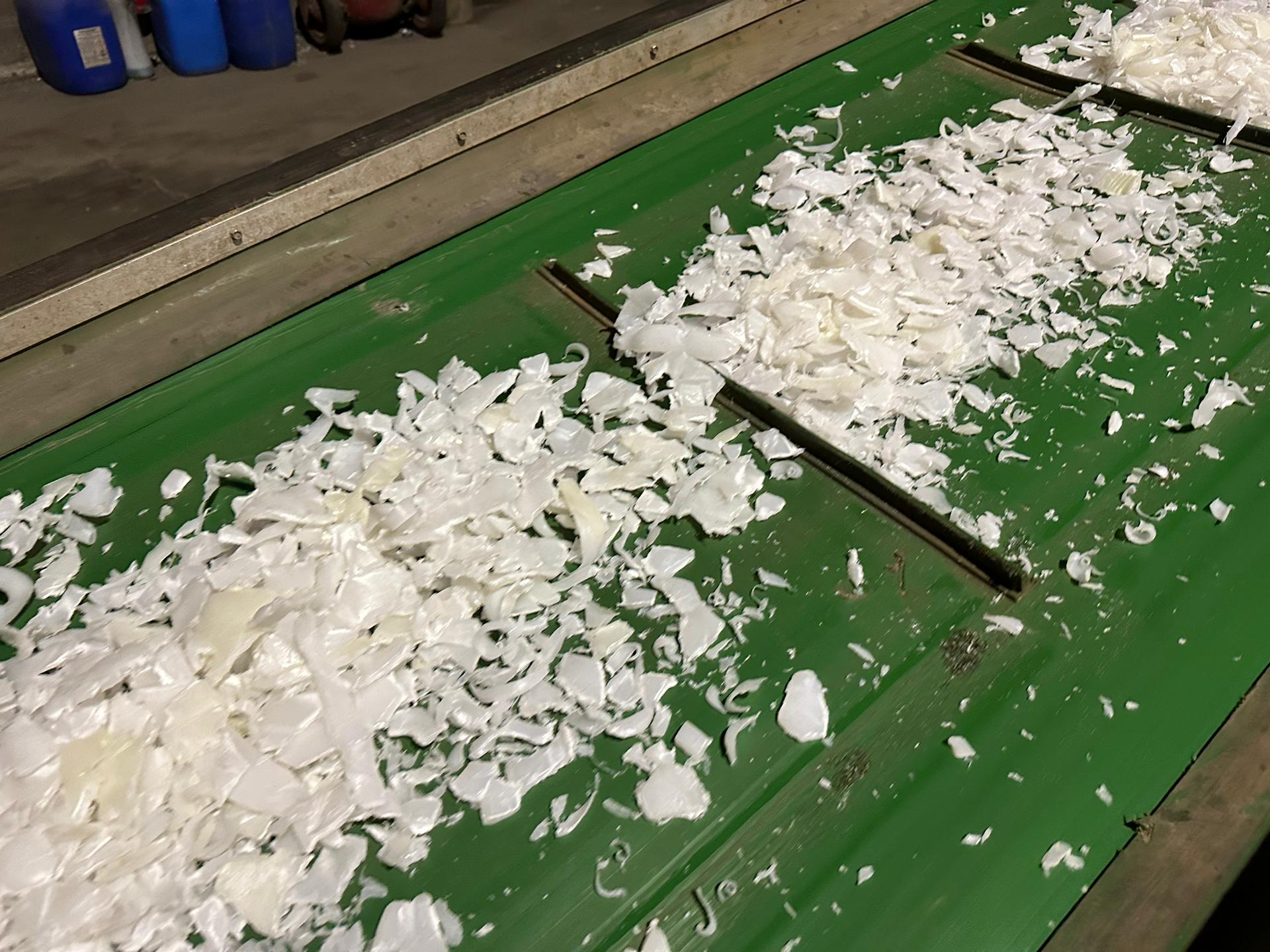
VARIBOX containers don’t end their life in landfill. Through our Return it programme, used containers come back to us and the material is recycled into new IBCs built to the same quality and safety standards, including UN approval. The food-contact parts stay free of recycled content, so food-grade approval is never affected. For PPWR, this closes the loop in practice: end-of-life material genuinely re-enters production, and every return is recorded, giving you real documentation for sustainability reporting rather than a claim on paper.
VARIBOX SC Maintenance Service
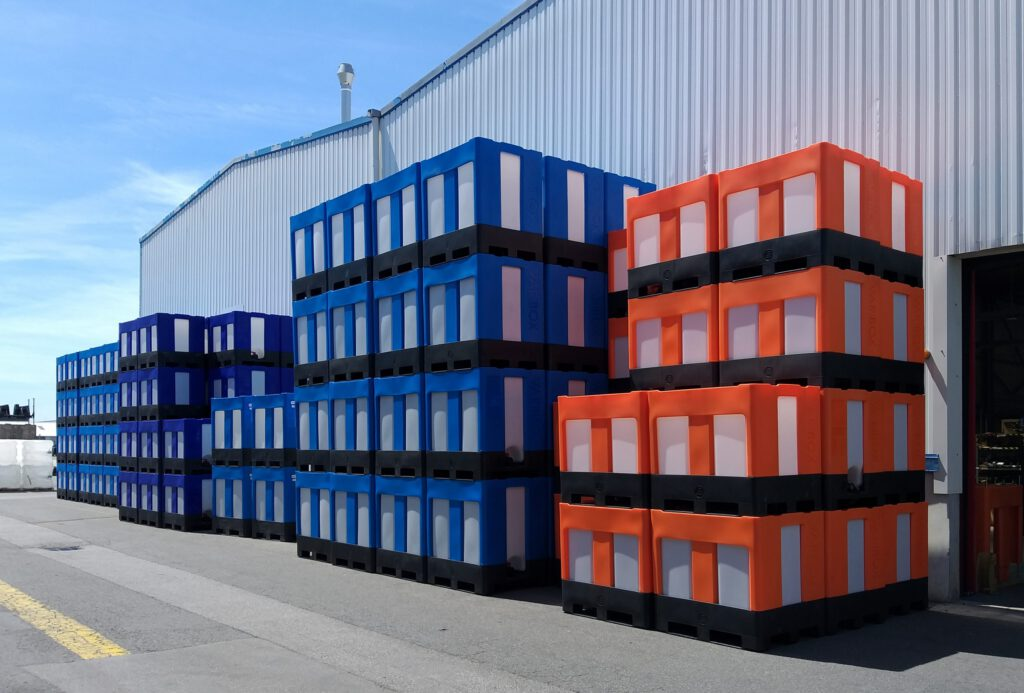
Our Single Containment IBCs are maintained at the Montoir-de-Bretagne plant, keeping them ADR-compliant and ready for years of intensive use. Rather than replacing a container, we restore it the same unit goes back into service, tested and certified. That makes this our clearest reuse story under PPWR: service life is extended, not restarted. Reusable units within scope will also carry a reusable label with a QR data carrier from 12 February 2029.
Our VARIBOX Intermediate Bulk Containers
We provide packaging for chemical distribution that excels in safety, reusability, and sustainability.

VARIBOX
Single Containment


VARIBOX
Full Containment

VARIBOX
Compact Containment

VARIBOX
Drumtainer

Connect+
Full control of your IBC fleet with real time tracking and insights. Pack AI provides an intelligent solution for the reusable packaging industry comprising both hard and software that allows you to achieve maximum control, minimal loss, and a longer lifespan for your IBC fleet.