


12 August 2026: the date PPWR begins to apply.
Reg. (EU) 2025/40 does not take effect all at once, but 12 August 2026 is the date that matters first, this is PPWR application date. That is when the Regulation itself generally applies across every EU member state, and when the first binding duties land: substances-of-concern restrictions, heavy-metal limits, the food-contact PFAS concentration limit, and Declarations on Conformity for each packaging placed on the market. Labelling rules follow in 2028; reuse, design-for-recycling and recycled-content obligations follow in 2030. Reviewing your packaging fleet now is the practical starting point.
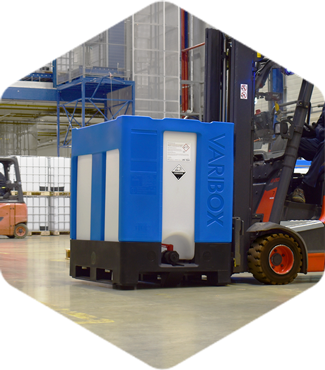

Safer

Reusable

Sustainable
For packaging and procurement teams, one date now sits above the rest on the PPWR timeline: 12 August 2026. It is the day the Regulation stops being a future concern and becomes enforceable law — the point at which every earlier planning conversation turns into an active compliance question. The obligations that follow in 2028 and 2030 matter too, but they sit downstream of this date, and they are easier to plan for once the August milestone is understood on its own terms.
01 — Why 12 August 2026 is the date to know
12 August 2026 is the application date for many PPWR Regulations, the day it becomes directly applicable in every EU member state, without needing national transposition. That single fact carries several practical consequences.
First, it is the date the Regulation itself starts to apply. Before it, PPWR is a text to prepare for; after it, it is text to comply with. Second, it is the date the first substantive obligations take effect, not just the Regulation’s existence: substances-of-concern restrictions, heavy-metal concentration limits, the food-contact PFAS concentration limit, and the duties placed on manufacturers and importers under Article 5 all become binding on that day. Third, it is the date from which enforcement becomes possible in principle — member states are not required to wait for later milestones to act on these specific duties.
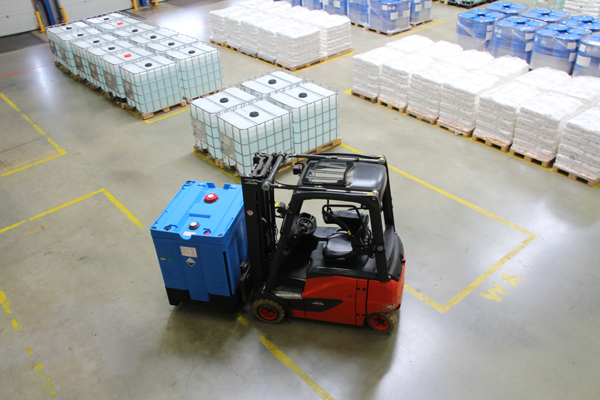
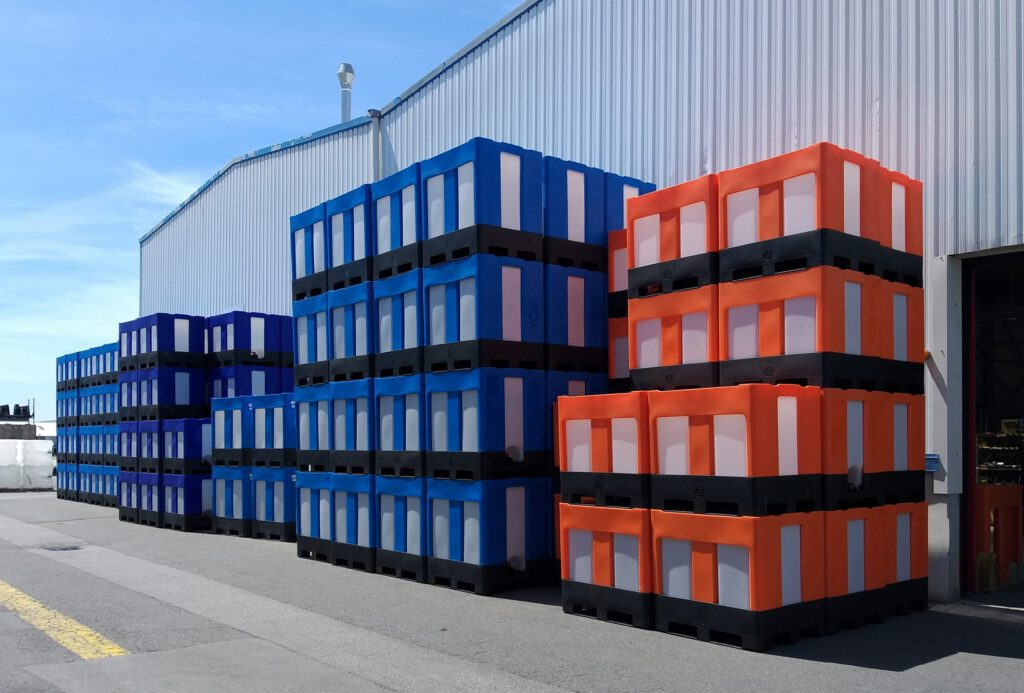
The practical deadline for B2B transport packaging
For B2B transport packaging, this is what makes 12 August 2026 the practical deadline to plan around, even though it is not the date on which the heaviest obligations for reusable packaging apply. Reuse and refill targets, design-for-recycling criteria and recycled-content requirements are 2030 obligations, not obligations tied to August 2026. The August date, however, is what starts the clock: it is the point at which a business needs to know where it stands on substances of concern, heavy metals, food-contact PFAS and its own role as manufacturer or importer, since these questions no longer carry a grace period after that date.
Practically, that means the run-up to 12 August 2026 is the moment to confirm supplier declarations, material compositions and any food-contact documentation are in order, rather than the moment to start gathering them. Everything that follows in 2028 and 2030 builds on the same documentation foundation. VARIBOX is available now, and a documentation pack is planned for 2026 to support customers working through this first stage.
02 — What follows in 2028
Labelling requirements follow in 2028, alongside compostability rules for the packaging types the Regulation designates for composting. For most B2B bulk-liquid packaging, this stage is narrower in scope than 12 August 2026 or 2030, but it is the point at which labelling practices need to be reviewed against the PPWR format. It is not the stage at which reuse or recycled-content targets apply — those follow later, in 2030.
03 — What arrives in 2030, and why the runway matters
The obligations most relevant to a reusable IBC system apply from 2030: design-for-recycling criteria (Article 6), minimum recycled-content requirements (Article 7), and reuse and refill targets (Article 29). These are also the obligations that take the longest to prepare for, because they touch the packaging itself, not just its documentation. Re-specifying a bulk container, qualifying suppliers, and building a documentation flow that survives an audit all take time. Reviewing the packaging fleet now is what turns PPWR from a looming deadline into a manageable transition.
Ready to review your packaging fleet?
Book a call and see how VARIBOX can help you get ready for PPWR.
FAQ
PPWR’s phase-in raises the same handful of questions again and again. Here they are, answered directly.
Why is 12 August 2026 the key date, if some obligations don’t apply until 2030?
Because it is the date the Regulation itself applies across the EU, and the date the first binding duties take effect: substances of concern, heavy metals, food-contact PFAS and manufacturer/importer duties under Article 5. It is the point at which PPWR turns from a text to prepare for into a text to comply with, even though the obligations most relevant to reusable packaging follow later, in 2030.
Does PPWR apply to our packaging all at once, on one date?
No. The Regulation applies from 12 August 2026, but not every obligation takes effect on that date. Substances of concern, heavy metals, food-contact PFAS and manufacturer/importer duties apply from 12 August 2026. Labelling rules follow in 2028. Reuse, design-for-recycling and recycled-content obligations apply from 2030.
What exactly starts on 12 August 2026?
The PPWR entered into force in February 2025, with an 18-month transition period, leading to 12 August 2026 for the Regulation to become applicable — including the substances-of-concern restrictions, heavy-metal limits, the food-contact PFAS concentration limit, and manufacturer/importer duties under Article 5. Reuse and recycled-content obligations are not part of this first stage.
What changes in 2028?
Labelling requirements and compostability rules for designated packaging types apply from 2028. This stage does not include reuse or recyclability targets.
What do the 2030 obligations cover, and does VARIBOX guarantee compliance with them?
From 2030, reuse and refill targets (Article 29), design-for-recycling criteria and minimum recycled-content requirements apply. VARIBOX is a reusable IBC system built to help customers prepare for these obligations — it does not deliver PPWR compliance on its own. Compliance sits with the responsible economic operator under the Regulation.
If the biggest obligations don’t apply until 2030, why review our packaging fleet now?
Because the changes involved take time. Re-specifying bulk containers, qualifying suppliers and building a documentation flow that holds up under audit are not done overnight. Reviewing your fleet ahead of both the 2026 and 2030 dates is the practical way to turn a multi-year phase-in into a planned transition rather than a rushed one.
Glossary
The terms that come up most across this page.
Application date
12 August 2026. The date Regulation (EU) 2025/40 becomes directly applicable across every EU member state, and the date the first binding obligations take effect.
Reg. (EU) 2025/40
Formal regulation number for PPWR, the Packaging and Packaging Waste Regulation; replaces the 1994 Packaging Directive.
Substances of concern
Restricted substances under PPWR, in force from 12 August 2026.
Manufacturer/importer duties
Obligations under Article 5 for the parties placing packaging on the market, in force from 12 August 2026.
Design-for-recycling (Article 6)
Criteria assessed at whole-unit level determining packaging recyclability; applies from 2030 once the delegated act is in force.
Recycled content (Article 7)
Minimum share of post-consumer recycled material required in packaging, phased in from 2030 on a plant-year averaging basis.
Reuse & refill targets (Article 29)
Minimum reuse/refill quotas for specified packaging categories, applying from 2030; dangerous-goods (ADR) lanes are derogated.
Economic operator
The party PPWR holds responsible for a given obligation; for reuse duties, this is the operator using the packaging, not necessarily the packaging manufacturer.
PPWR readiness starts now.
Book a call and see how VARIBOX can help you get ready for PPWR.
Our VARIBOX Intermediate Bulk Containers
We provide packaging for chemical distribution that excels in safety, reusability, and sustainability.

VARIBOX
Single Containment

VARIBOX
Full Containment

VARIBOX
Compact Containment
